No ingredient recovers on its own. Muscle recovery is supported by a strategy that combines energy, protein, carbohydrates, fluids, rest and continuity during the day.
Build the complete dish
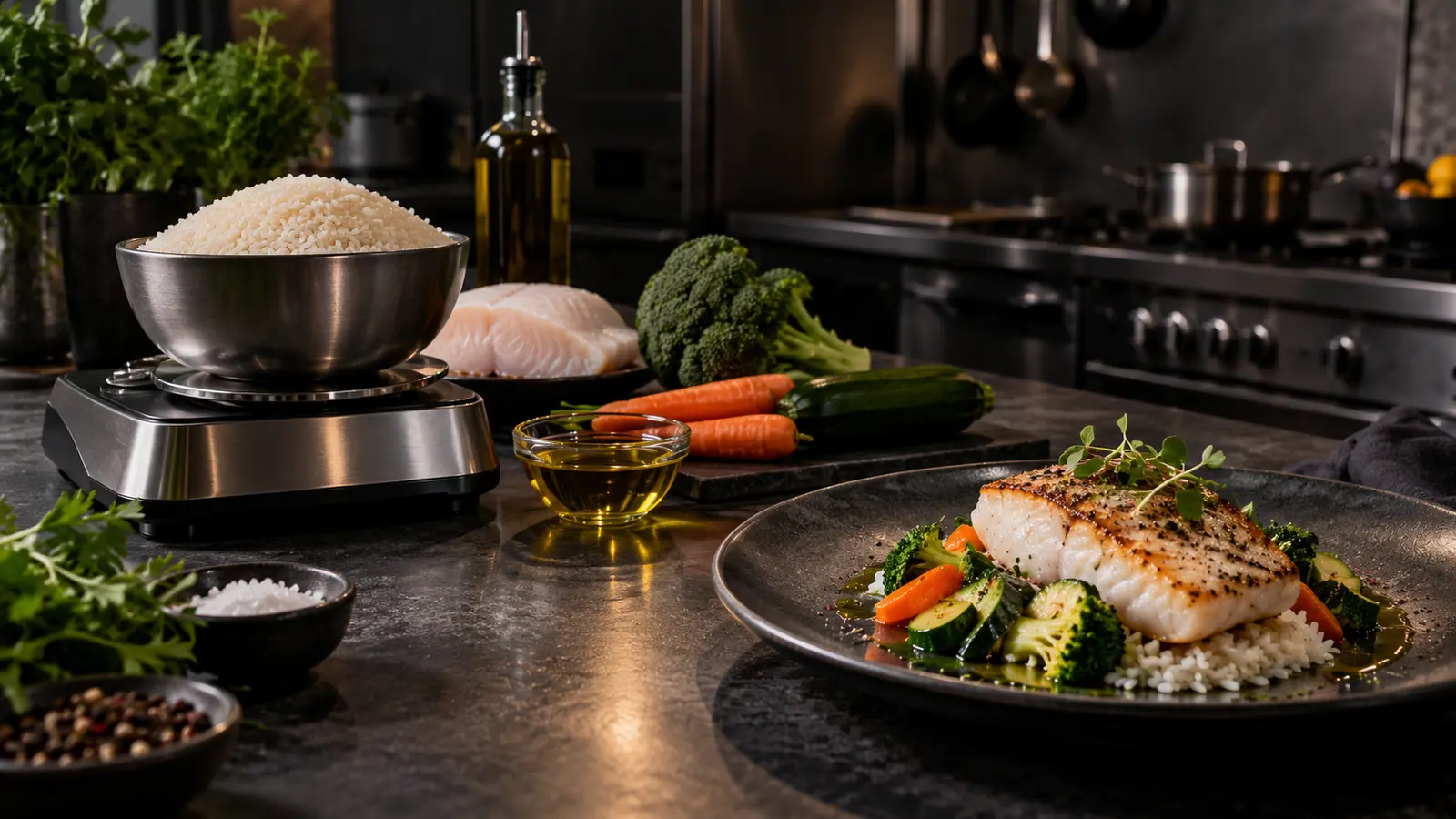
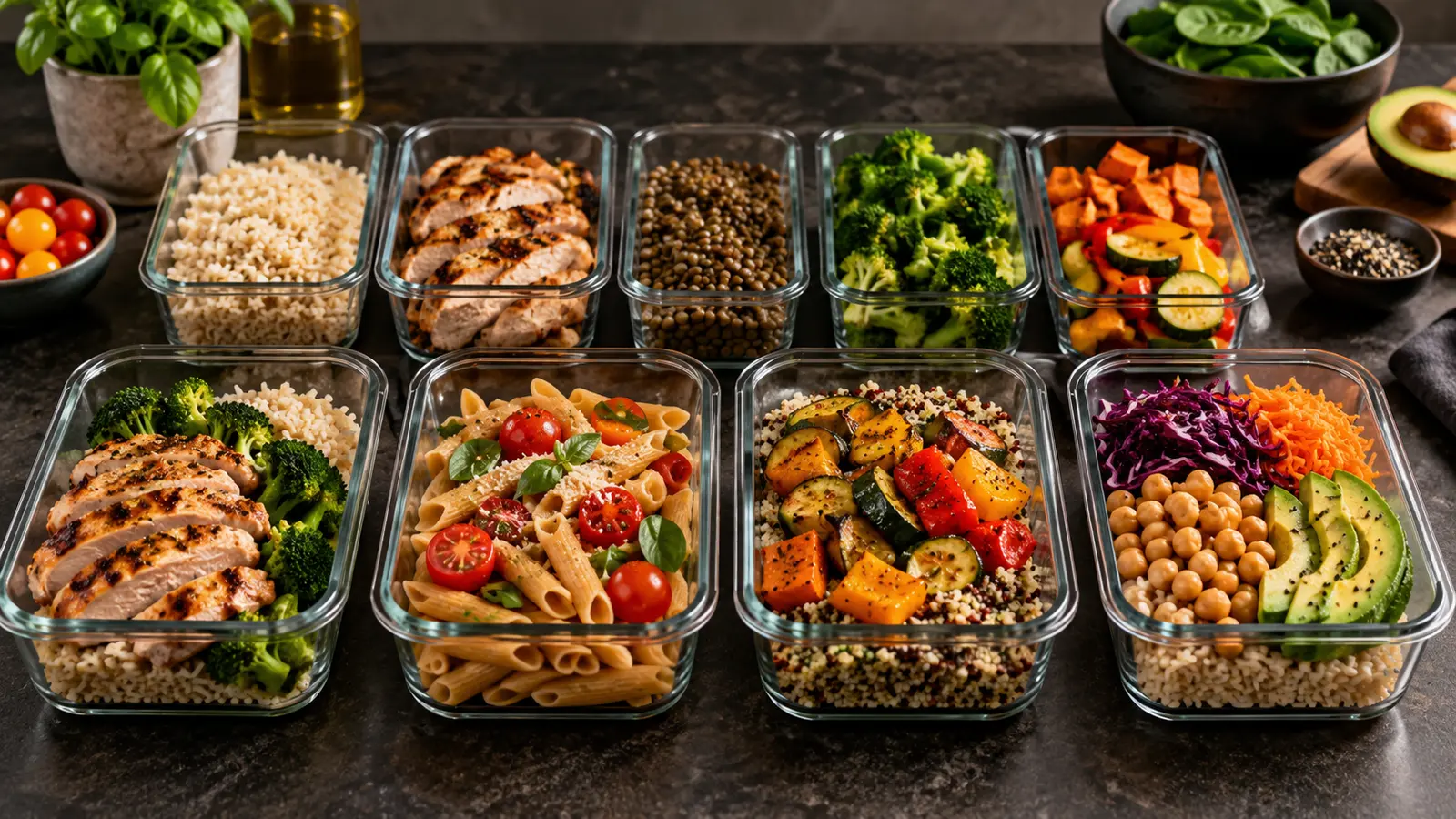
Eggs, fish, lean meats, dairy products or legumes can provide protein; rice, pasta, bread, potatoes and fruit help replenish energy. Vegetables and quality fats complete a varied diet. The proportion depends on the load and the objective.
Three recovery recipes
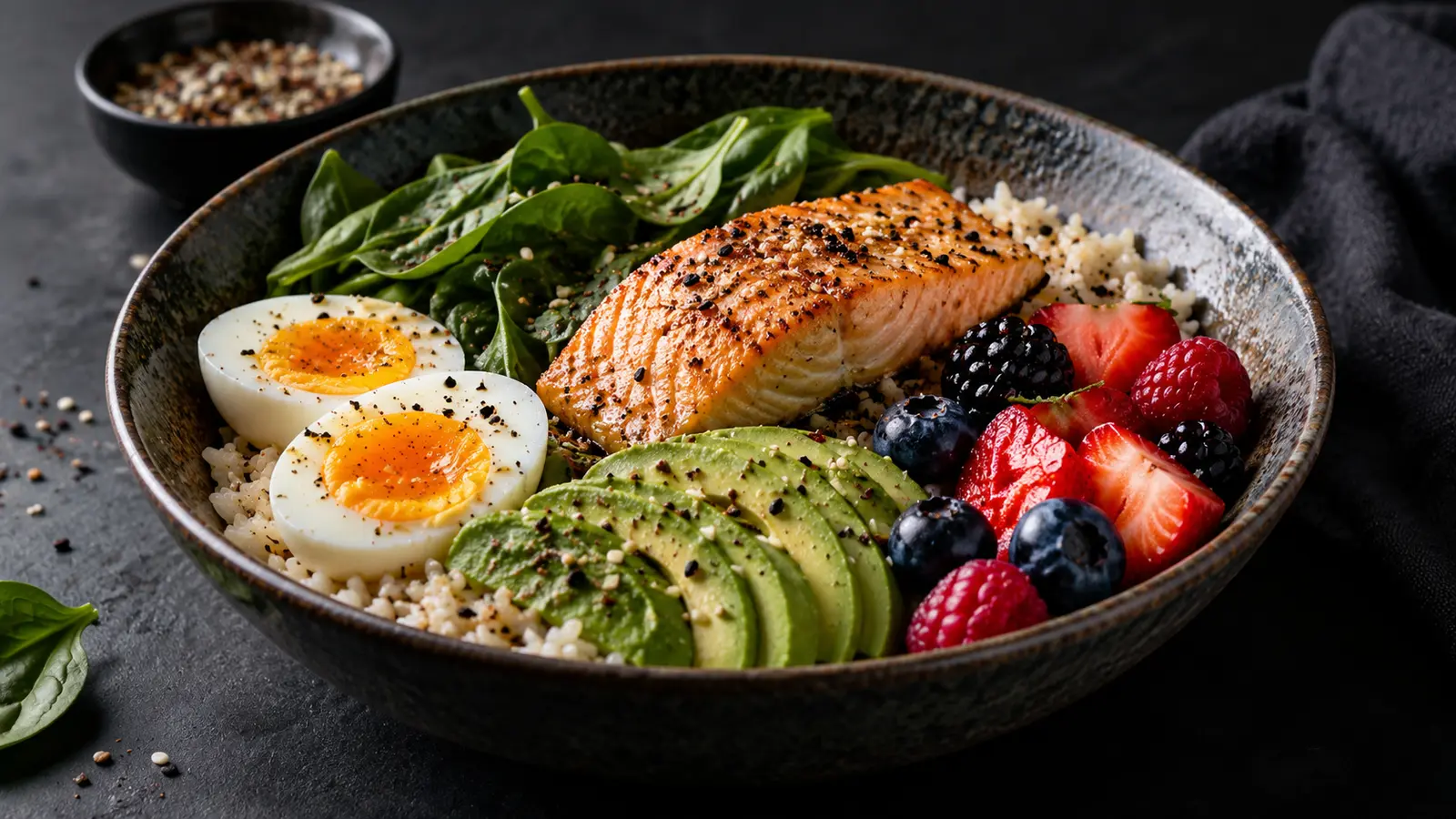
Try a rice bowl with salmon and spinach; juicy omelette with potato and roasted tomato; or yogurt with banana, oats and red fruits when a quick format is convenient. The amount and timing should fit the guideline.
The recipe that is eaten
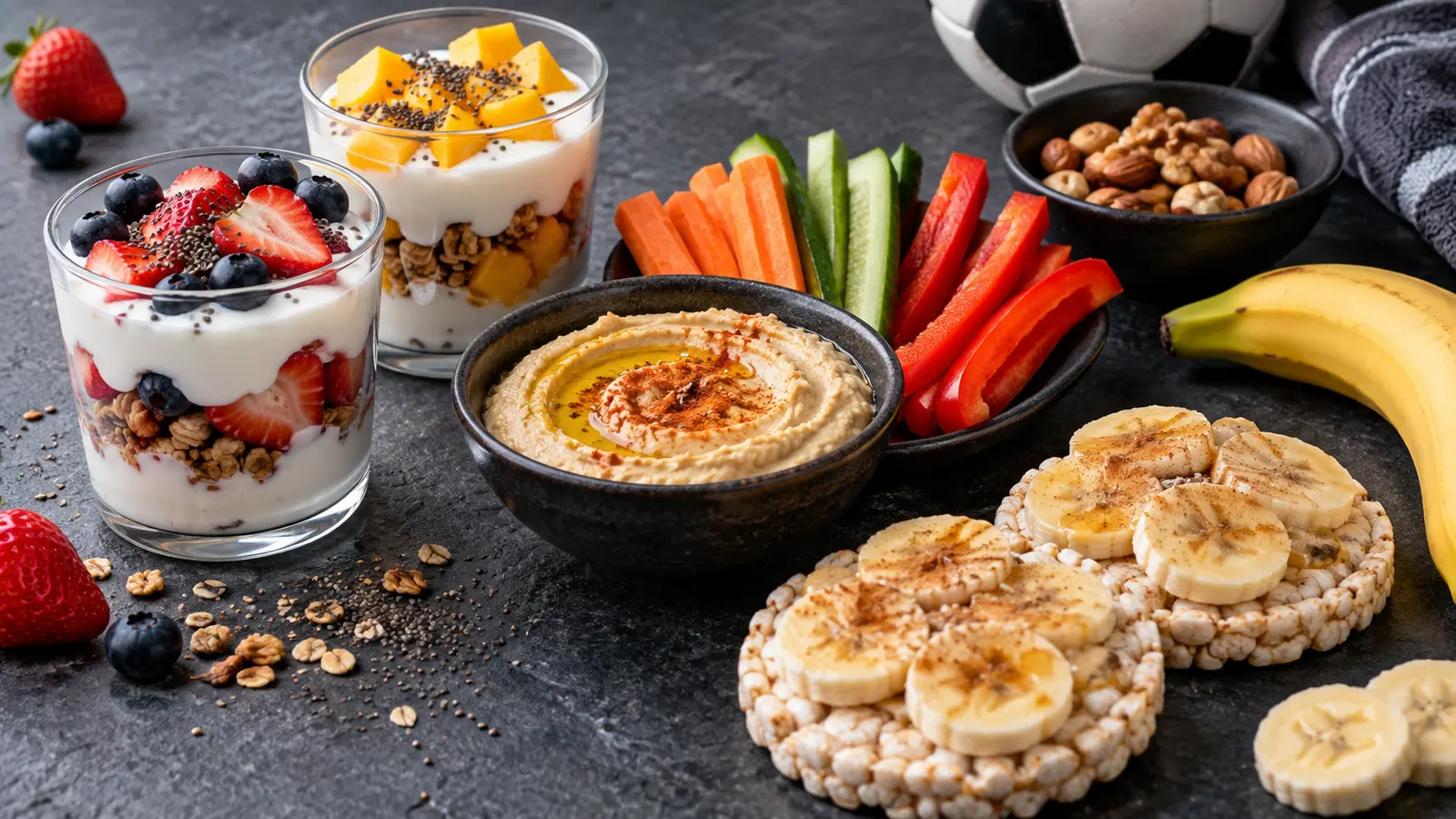
After intense effort your appetite can decrease. Moist textures, cool temperatures and fractionated portions can facilitate intake. Culinary design converts intended nutrients into an actually consumed meal.
PRACTICAL KEYS
To bring it to the kitchen
- Think of recovery as a sequence, not a single take.
- Choose formats according to appetite and travel.
- Coordinate food, hydration and rest with the professional team.
This content is educational and does not replace an individual assessment. The athlete's needs must be defined by a qualified nutrition or health professional.