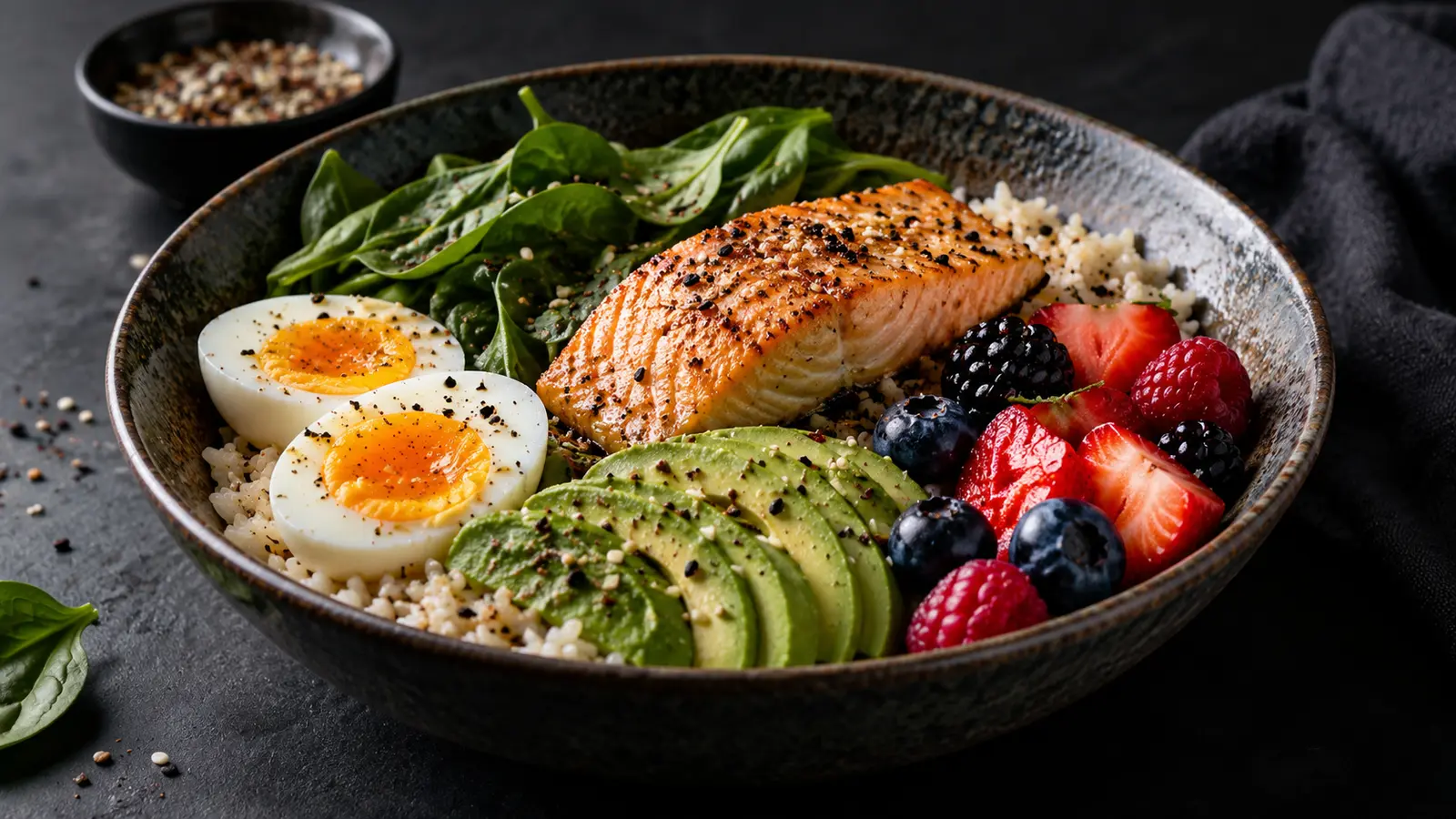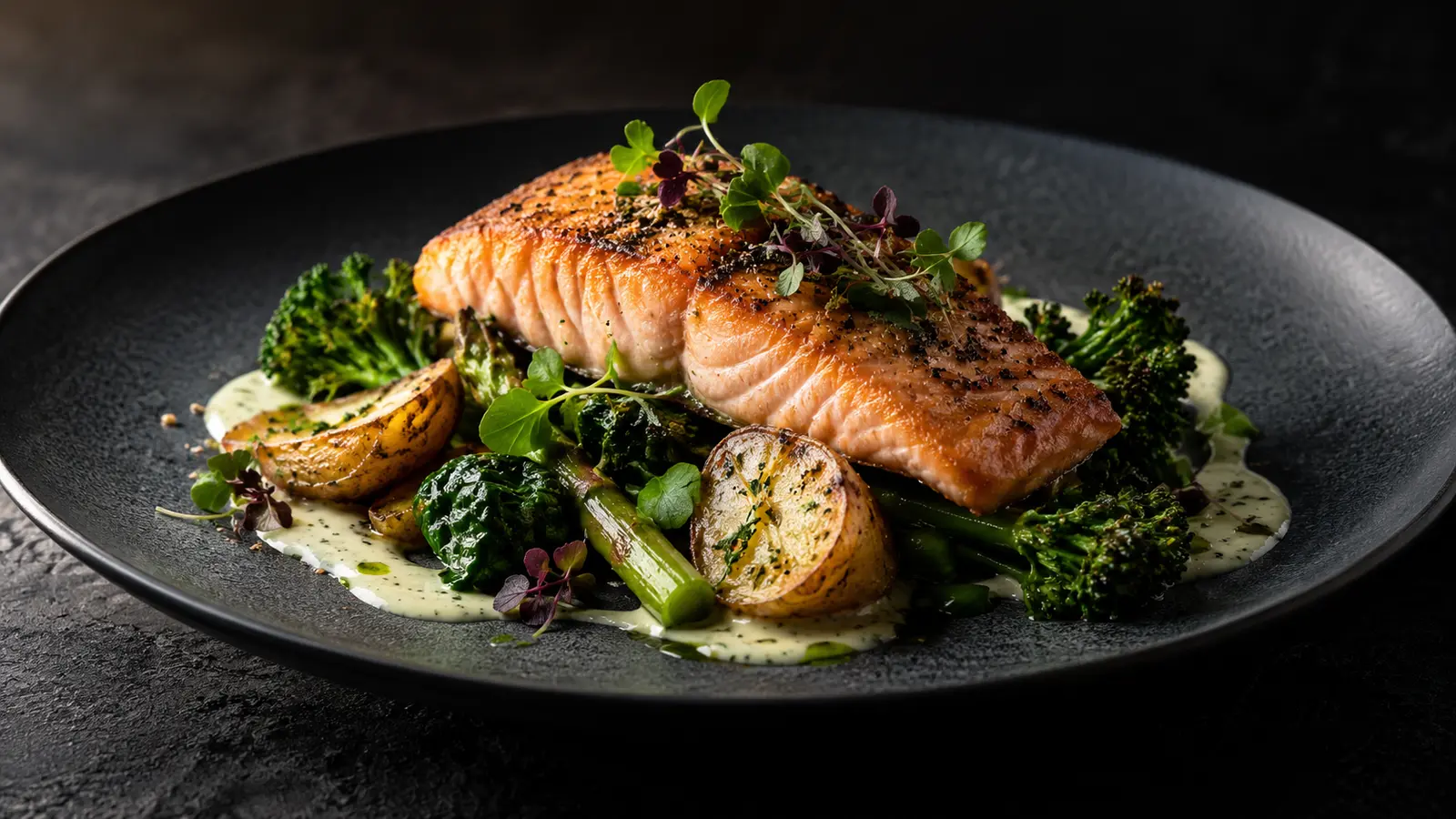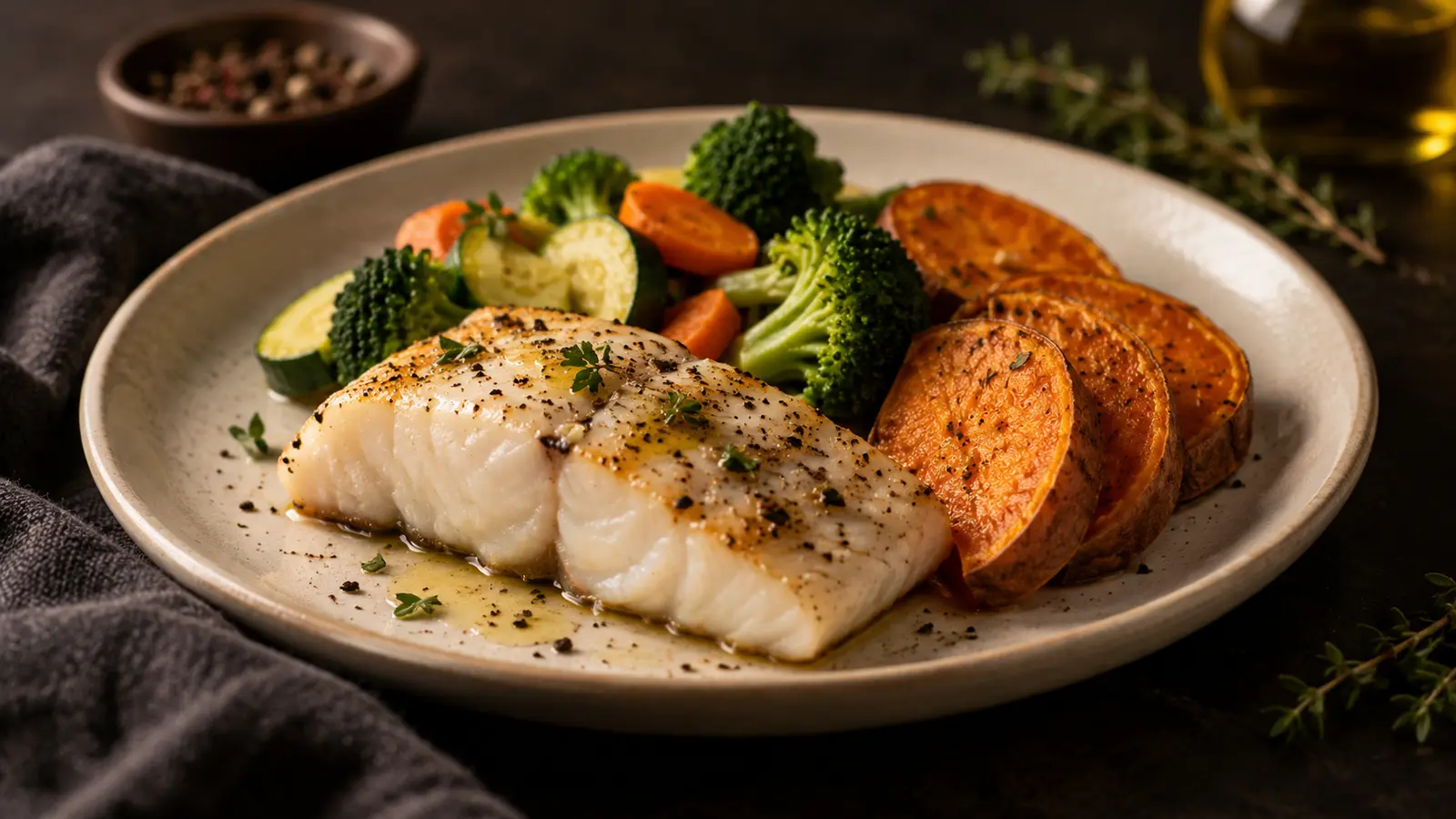
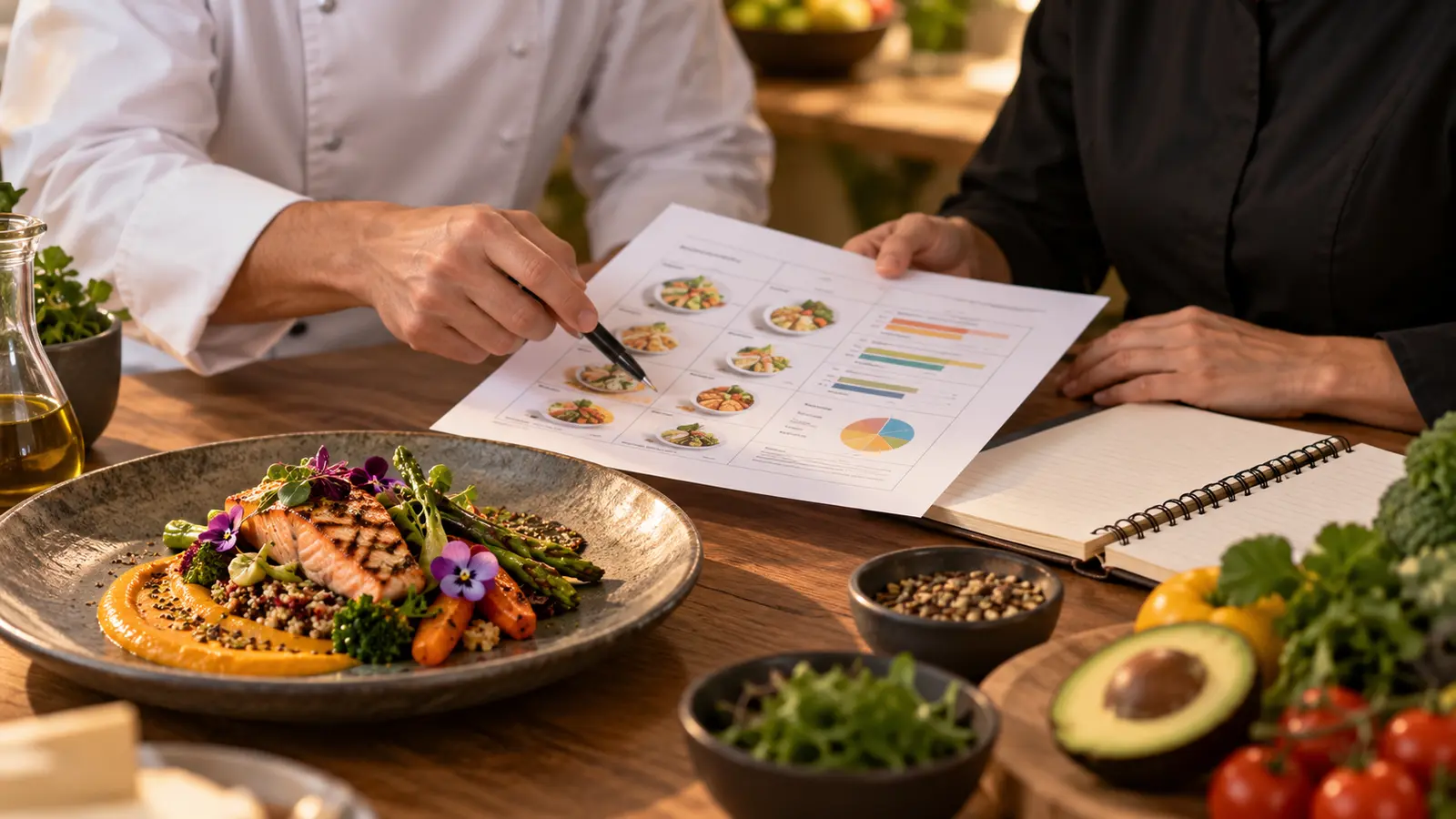
Nutrition and cooking do not compete. The nutritionist defines what the athlete needs; The sports chef interprets that pattern and makes eating it a pleasure.
Two complementary competitions
The nutrition area determines objectives, quantities, restrictions and timing. The chef selects techniques, texture, temperature, presentation and production sequence. Dialogue prevents a technically correct indication from failing on the plate.
From grams to gastronomy
The same recipe can become creamy rice, a warm bowl or pasta with a measured sauce. The recipe documents weights, losses, cooking points and conservation so that the result is consistent even if the cook or the place changes.
Listen to the athlete
Preferences, culture, digestion and travel context are part of the design. Listening does not mean cooking just anything: it means finding the most adherent solution within the guideline and returning useful information to the professional team.
PRACTICAL KEYS
To bring it to the kitchen
- Defines responsibilities and a review channel.
- Documents weights, losses and reference photographs.
- Collect the athlete's response and use it to iterate.
This content is educational and does not replace an individual assessment. The athlete's needs must be defined by a qualified nutrition or health professional.