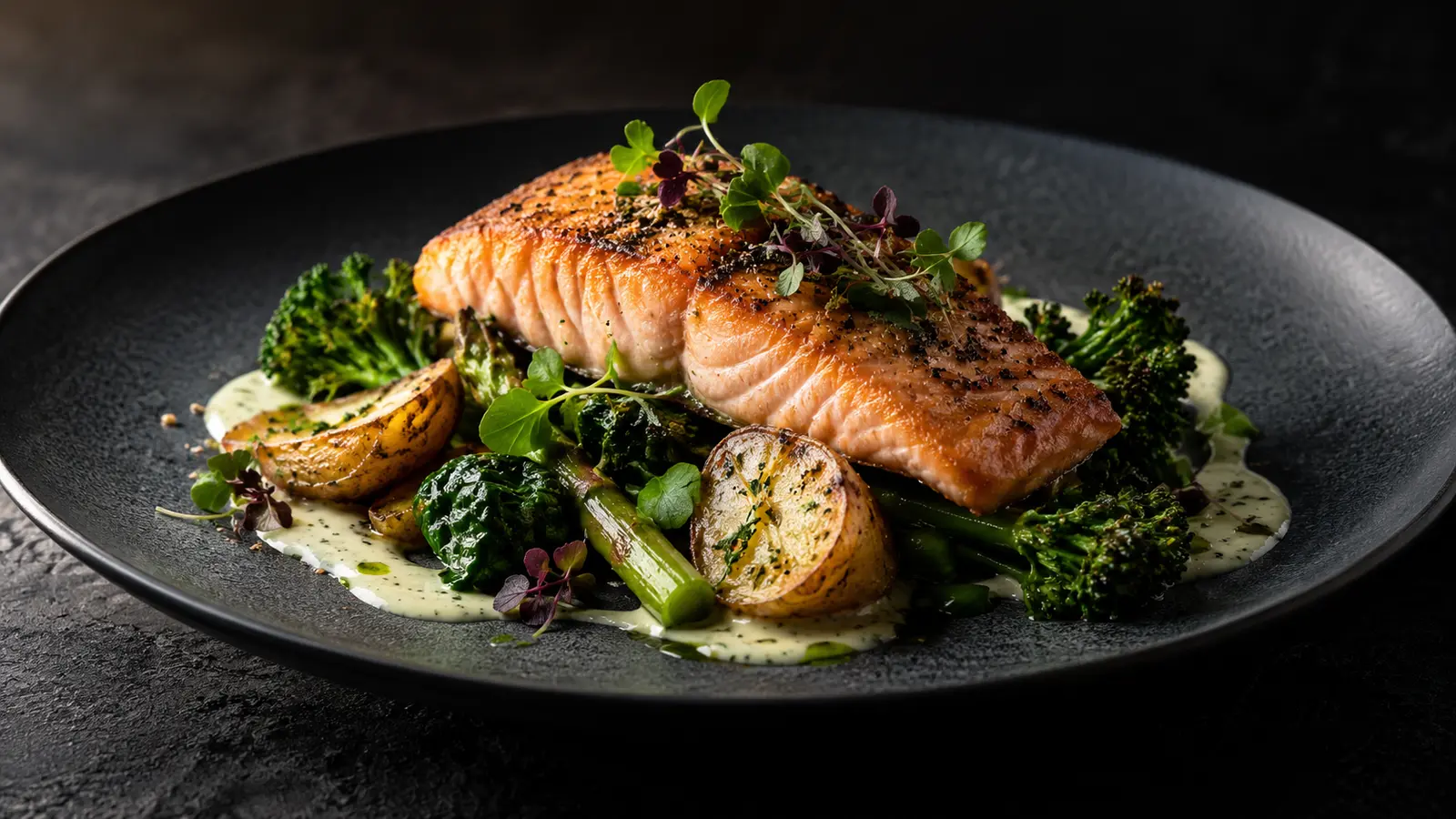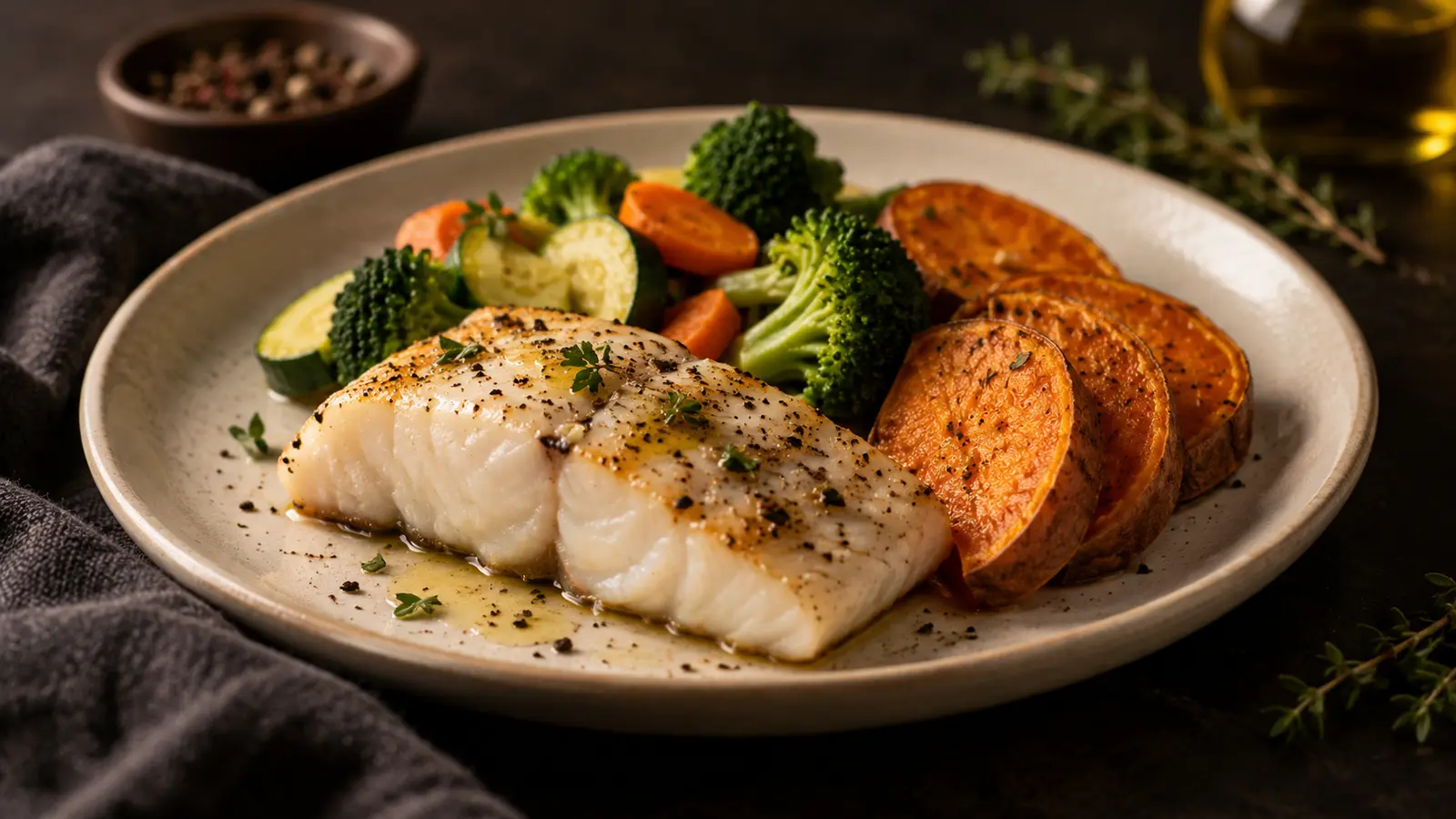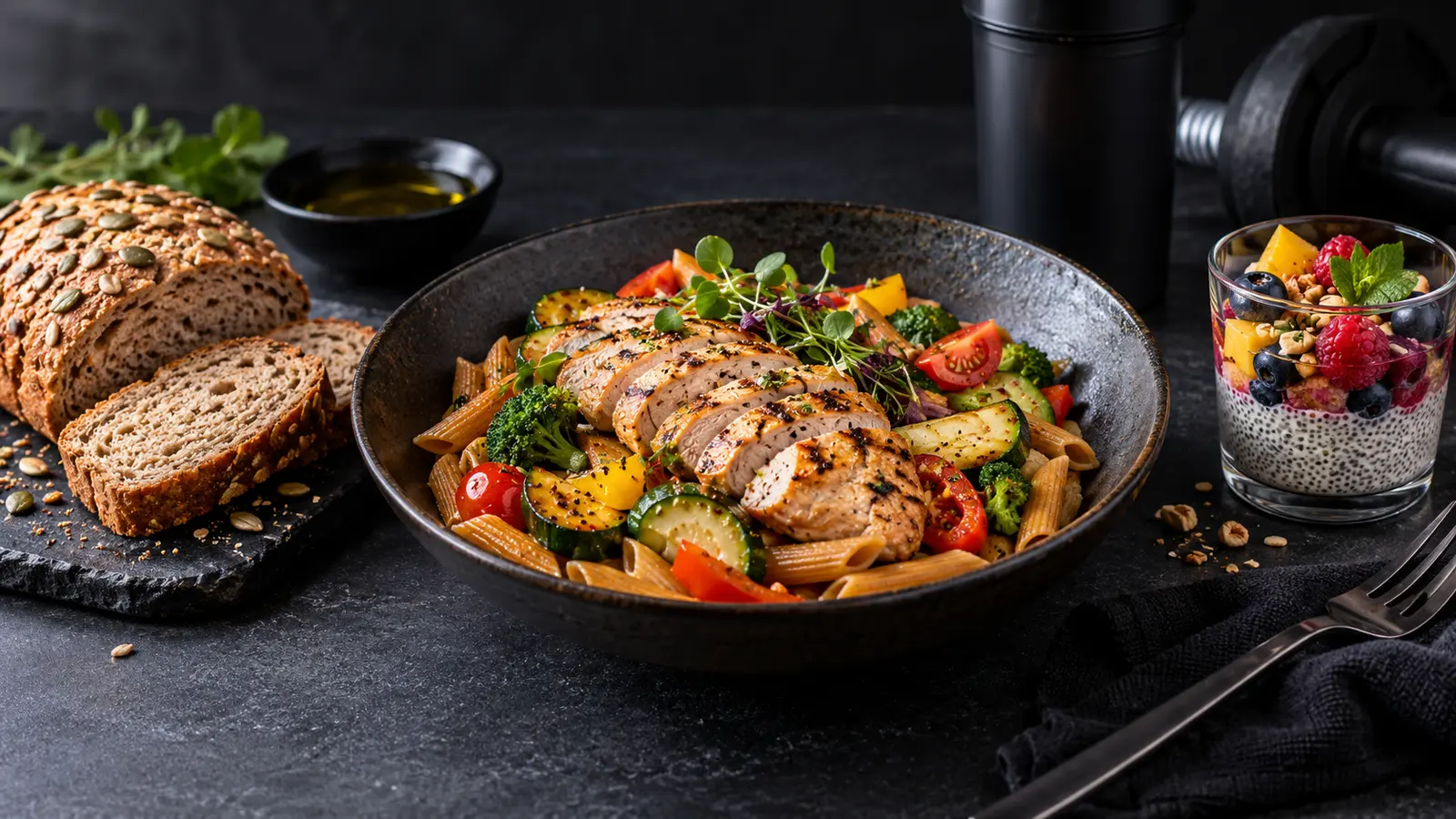
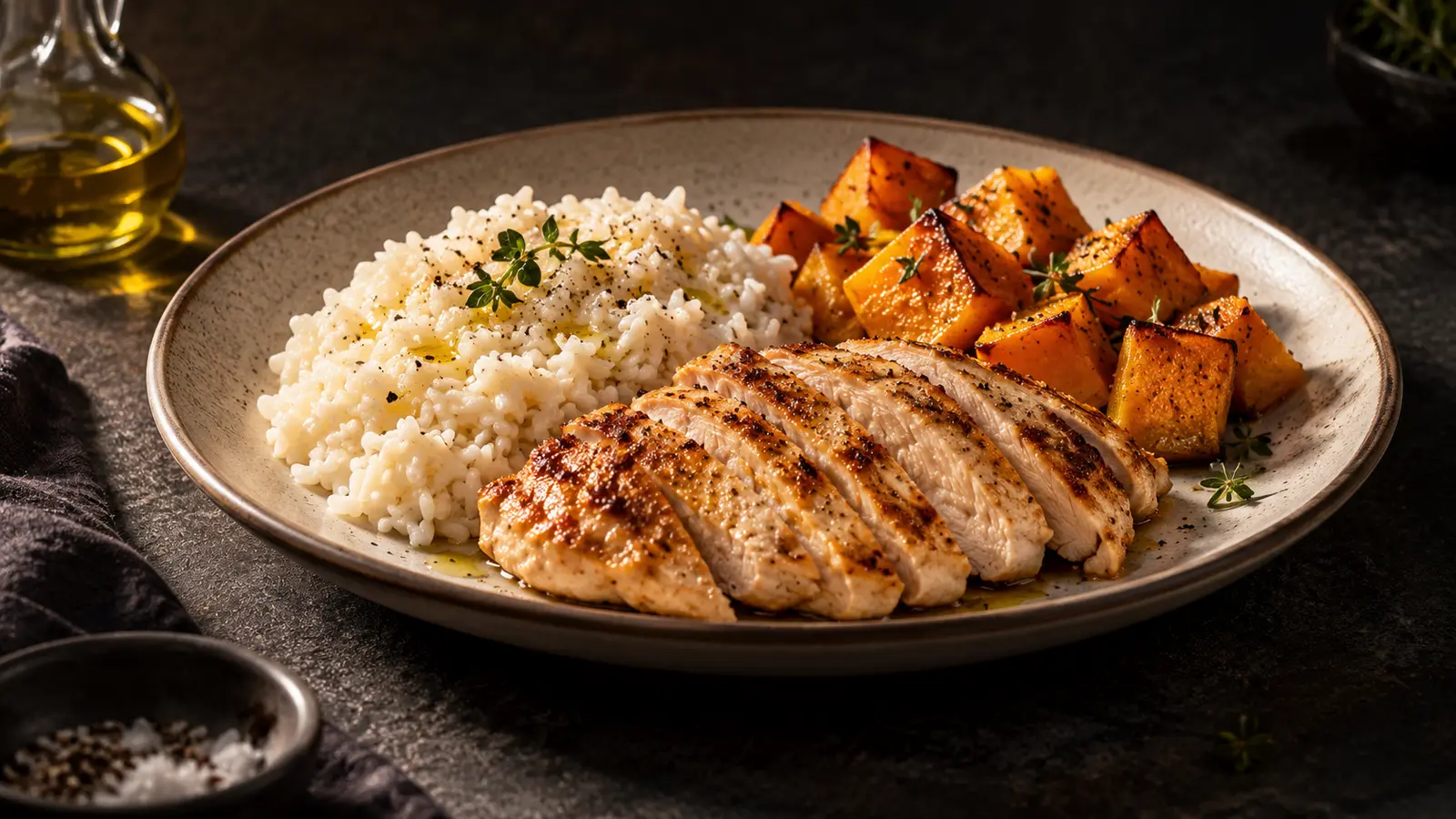
The previous meal is not improvised. It must provide available energy, be easy to digest and arrive at the locker room without heaviness. The exact guideline belongs to the nutritionist; The kitchen has the responsibility of turning it into an appetizing and repeatable dish.
The rule of hours
As a starting point, the main meal is usually between three and four hours before the meeting. It is time to prioritize carbohydrates known to the player, a lean protein and little fat or fiber if there is digestive sensitivity. When the schedule requires eating earlier, a proven snack can complete the strategy between sixty and ninety minutes earlier.
What should not be released
Match day is not the time to try new sauces, large salads, spicy foods or products that the player has not tried during training. The best pre-match meal is predictable: it is digested well, it arrives on time and the footballer wants to eat it.
PRACTICAL KEYS
To bring it to the kitchen
- Plan from the actual warm-up time, not from the starting whistle.
- Uses known preparations that are easy to reproduce when traveling.
- Adjust the guideline with the nutritionist and test the menu in a demanding workout.
This content is educational and does not replace an individual assessment. The athlete's needs must be defined by a qualified nutrition or health professional.